

How to Make a Simple Eco-Friendly All-Purpose Cleaning Spray
Why Bother Making Your Own Spray?
Shop-bought all-purpose cleaners are convenient, but they usually arrive in a plastic bottle, contain a long list of ingredients you cannot pronounce, and cost a small fortune over a year. A homemade spray sidesteps all three problems. It takes about two minutes to mix, costs pennies per bottle, and works beautifully on the everyday grime that most of us are actually dealing with: fingerprint smears on the kettle, splashes by the sink, dust on the skirting boards and the general film that builds up on sealed worktops.
The magic ingredient is white vinegar, sometimes sold as distilled malt vinegar or spirit vinegar. It is mildly acidic, which means it cuts through grease, dissolves light limescale and discourages the bacteria that cause kitchen smells. Diluted with water it becomes gentle enough for regular use, and a few drops of essential oil soften the sharp vinegary scent. If you have never tried it, you will be surprised how quickly it becomes the bottle you reach for first.
What You Will Need
Nothing specialist is required, and everything is reusable. Gather these before you start:
- A clean 500ml spray bottle, ideally glass with a plastic trigger, or a sturdy recycled plastic one
- 250ml white vinegar — the cheap stuff from the supermarket is perfect
- 250ml water, preferably filtered or boiled and cooled if your area has hard water
- 10 to 15 drops of essential oil (tea tree, lavender, lemon, eucalyptus or peppermint all work well)
- A small funnel, a jug and a label or piece of masking tape for writing the contents and date
That is genuinely it. No thickeners, no surfactants, no fragrance blends you cannot recycle. A funnel stops you sloshing vinegar over the worktop, and a label means nobody mistakes it for something else — particularly important in a house with children or curious pets.
The Basic Recipe, Step by Step
Pour the vinegar into the spray bottle first, using the funnel if you need one. Add the water and give the bottle a gentle swirl rather than a violent shake, which just whips up bubbles. Now add your essential oil drop by drop and swirl again. Vinegar and water will not stay perfectly blended, so expect to give the bottle a quick turn each time you use it. That is normal and not a sign that anything has gone wrong.
For a general-purpose spray on sealed surfaces, an equal mix of vinegar and water is a sensible default. For a gentler version suitable for regular use on painted wood or laminate, use one part vinegar to three parts water. If you are tackling a greasy hob or a limescale-speckled tap, you can go stronger, up to neat vinegar on a cloth, but keep the strong mix away from anything delicate.
Write the date on the label. The spray keeps its effectiveness for several months, though the scent of the essential oil fades after a few weeks. Make it in small batches and you will never have a dusty bottle lurking at the back of the cupboard.
Where to Use It — and Where to Be Careful
This spray shines on sealed hard surfaces: kitchen worktops, splashbacks, cupboard fronts, tiles, sinks, taps, sealed stone, stainless steel, glass, mirrors, painted skirting boards and most floors. Spray lightly, leave for twenty or thirty seconds so the acid can do its work, then wipe with a damp cloth and buff dry. On glass, use it sparingly and buff with a clean lint-free cloth or old newspaper to avoid streaks.
It is not suitable everywhere, and knowing the exceptions saves a lot of regret:
- Natural stone such as marble, limestone and travertine — acid etches the surface permanently. Use a pH-neutral cleaner instead.
- Unsealed wood and some oiled finishes, where vinegar can dull or stain the grain.
- Aluminium, cast iron and some enamels, which can discolour or pit.
- Anything you have not tested — always try a hidden corner first and wait a minute before committing.
Never mix vinegar with bleach, and do not add bicarbonate of soda to the bottle. The two react and cancel each other out, leaving you with salty water and a lot of fizzing. Keep bicarbonate for separate scouring jobs.
Making It Your Own
Once the base recipe is second nature, you can tailor it. Tea tree oil is the traditional choice for kitchens and bathrooms because of its naturally antibacterial character. Lavender is calming and lovely in bedrooms and on bedding-adjacent surfaces. Lemon or sweet orange lifts the mood in a living room, though citrus oils can damage some plastics and varnished surfaces over time, so use them sparingly. Eucalyptus is bracing in bathrooms and helps clear a stuffy room. Peppermint is excellent for deterring mice and ants around skirting boards, though keep it well away from cats, who are sensitive to it.
If you dislike the vinegar smell, add a little more essential oil or infuse the vinegar for a fortnight with citrus peel before straining it. The sharpness fades as the spray dries, so the room will not smell like a chip shop for long.
Storing, Refilling and Keeping It Sustainable
Keep your bottle in a cool, dark cupboard rather than a sunny windowsill, where UV light degrades both the vinegar and the oils. Refill from a large glass bottle of vinegar you buy once every few months; a single litre makes four full spray bottles and costs very little. When the trigger eventually gives up, keep the bottle and replace only the spray head rather than buying a whole new unit.
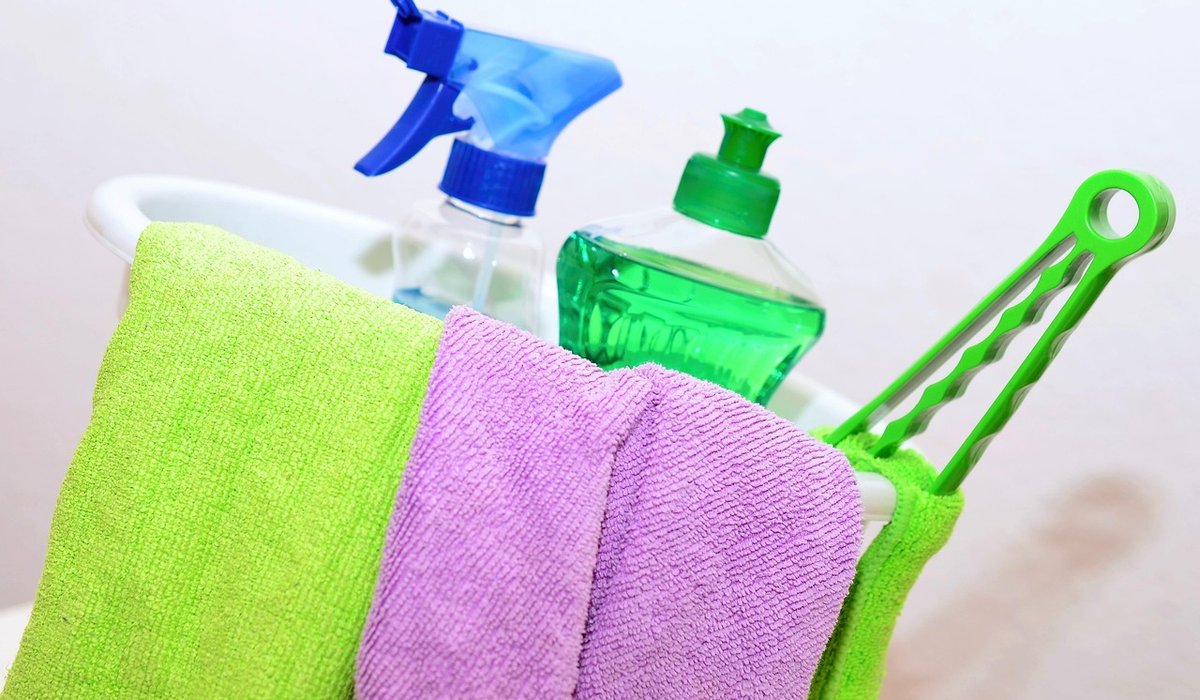
For cloths, cut up old cotton T-shirts and towels, wash them hot with your normal load, and reuse them until they fall apart. Pair this spray with a microfibre cloth for glass, a cotton one for wood, and a stiff brush for grout, and you have a complete cleaning kit that produces almost no waste. Small, repeatable habits like these do more for a sustainable household than any single clever product — and once the bottle is mixed, you will wonder why you ever bought the other kind.


Cleaning
-
Keep wooden worktops looking lovely with mild soap, warm water and regular oiling. Avoid soaking them and dry thoroughly after every wipe.


Laundry




-

Long established fact that a reader will be distracted
-

Long established fact that a reader will be distracted
-

Long established fact that a reader will be distracted




Organising
Karla Gleichauf
12 May 2017 at 05:28 pm
On the other hand, we denounce with righteous indignation and dislike men who are so beguiled and demoralized by the charms of pleasure of the moment
M Shyamalan
12 May 2017 at 05:28 pm
On the other hand, we denounce with righteous indignation and dislike men who are so beguiled and demoralized by the charms of pleasure of the moment
Liz Montano
12 May 2017 at 05:28 pm
On the other hand, we denounce with righteous indignation and dislike men who are so beguiled and demoralized by the charms of pleasure of the moment