

How to Make Reusable Cleaning Cloths from Old Towels
Why Worn Towels Deserve a Second Life
Every UK household has one: the towel that has gone stiff, thin and slightly grey, lurking at the back of the airing cupboard. Before you consign it to the bin, consider what it actually is — a large sheet of highly absorbent, hard-wearing cotton towelling that cost good money and has years of useful work left in it. Bath towels are woven in loops, and those loops are exactly what makes them brilliant at grabbing dust, soaking up spills and scrubbing a worktop.
Cutting them down into reusable cloths takes an afternoon, costs almost nothing, and replaces a surprising amount of the kitchen roll and disposable wipes that quietly fill our bins each week. Once you have a stack of them, you will wonder why you ever bought throwaway cloths at all.
What You Will Need
Gather everything before you start so you can work in one sitting. There is nothing complicated here, and most of it is probably already in a drawer.
- A worn towel or two — bath towels for mopping and spills, hand towels or old flannels for dusting
- Sharp fabric scissors or a rotary cutter and mat
- Pinking shears, if you have them
- A sewing machine with a zigzag or overlock stitch, or iron-on hemming tape if you would rather not sew
- Cotton or polyester thread in a colour close to the towel
- Pins or sewing clips
Wash the towel first, even if it looks clean. Old fabric can shrink slightly, and you want that shrinkage out of the way before you cut anything to size.
Cutting Your Cloths to the Right Sizes
Uniformity helps. Cloths that stack neatly are easier to store and easier to grab one-handed while you are wiping down a hob. A few standard sizes cover almost every job in the house:
- 30cm x 30cm — the all-rounder for dusting, wiping surfaces and cleaning mirrors
- 40cm x 40cm — good for kitchen spills and general mopping up
- 20cm x 20cm — handy for small jobs, bathroom taps and awkward corners
Lay the towel flat on a table and cut in straight lines, following the existing edges where you can. You will get roughly twelve to sixteen cloths from a single bath towel, depending on its size and how much of it is genuinely worn. If one section is threadbare or has a hole, simply cut around it and keep the sound fabric.
Do not throw away the offcuts. Narrow strips make excellent cleaning rags for mucky jobs like bicycle chains or paintbrushes, and small squares are perfect for polishing shoes.
Finishing the Edges So They Last
Towelling frays enthusiastically once cut, so edges need dealing with. You have three options, depending on your patience and your equipment.
- Zigzag stitch: Run a wide zigzag along each raw edge. It is quick, secure and needs no special machine.
- Overlock stitch: If your machine has one, this gives the neatest, most durable finish and takes seconds per side.
- Iron-on hemming tape: Fold the edge over by about 1cm, tuck the tape inside and press with a hot iron. No sewing required, though these cloths may need re-pressing after many hot washes.
If you are short on time and the cloths are destined for grubby jobs only, pinking shears alone will slow fraying considerably. They will not last as long, but they will still give you months of service. A straight stitch around the perimeter also works if you are happy to accept a little fraying over time.
Using and Washing Your Cloths
Assign cloths to jobs and keep them separate where you can. A simple colour code helps: one shade for kitchen and bathroom surfaces, another for floors, and a third for dusting. This prevents the cloth that wiped the bathroom floor ending up on the draining board.
After use, rinse cloths thoroughly in warm water and wring them out. Wash them in a hot cycle — 60°C is ideal for hygiene — with your usual detergent. Avoid fabric conditioner, as it coats the fibres and reduces absorbency, which rather defeats the point.
Line drying outside is best for freshness and costs nothing. Tumble drying on a low setting is fine too, though it will wear the fabric faster. Expect a well-made cloth to survive dozens of washes before it becomes a floor rag, and a floor rag to keep going long after that.
Storing and Organising Them
A little organisation makes the whole system far more likely to stick. Keep a small basket or cloth bag under the sink with your clean cloths folded and stacked, and a separate lidded tub for used ones waiting to be washed. When the used tub is full, it is time for a hot wash — an easy, self-managing routine.
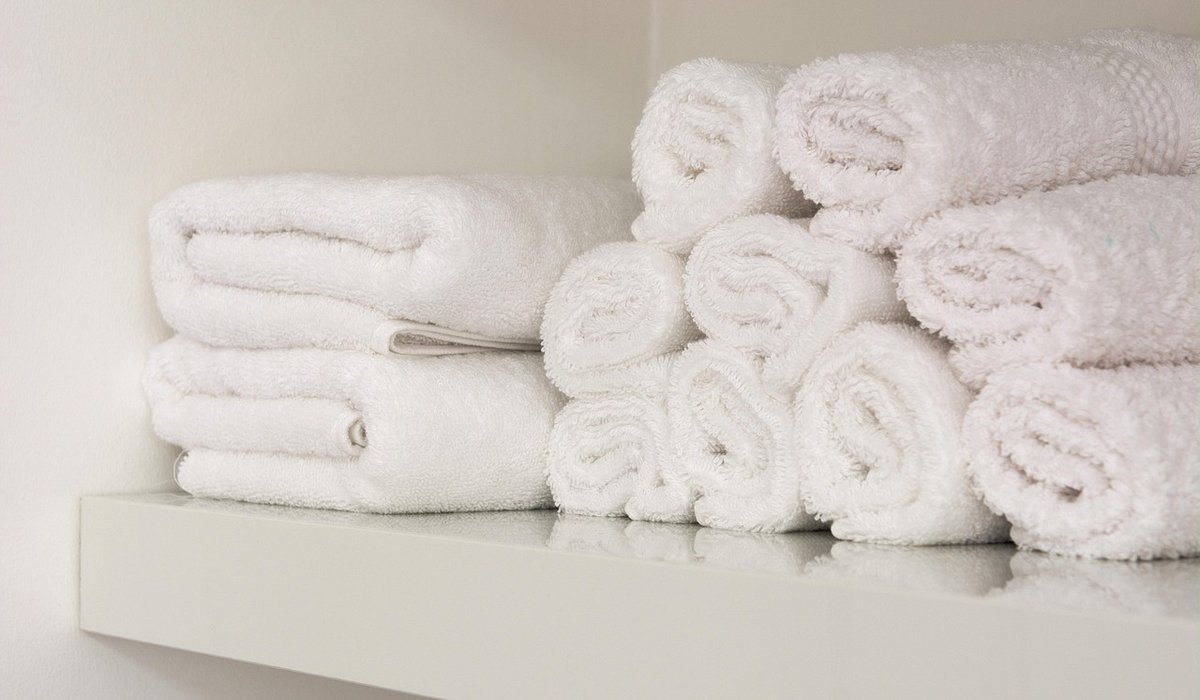
Rolled cloths take up less space than folded ones and are quicker to grab. A hook inside a cupboard door works well for the cloth currently in use, letting it dry between jobs rather than sitting damp in a pile.
Made well and looked after, a set of homemade cloths will serve your home for years, save you money on disposables, and keep good cotton out of landfill. It is a small project with a genuinely long reach.


Cleaning
-
Combine bicarbonate of soda, castile soap and tea tree oil for a soft scrub. Store in a labelled jar and use within a month.


Laundry




-

Long established fact that a reader will be distracted
-

Long established fact that a reader will be distracted
-

Long established fact that a reader will be distracted




Organising
Karla Gleichauf
12 May 2017 at 05:28 pm
On the other hand, we denounce with righteous indignation and dislike men who are so beguiled and demoralized by the charms of pleasure of the moment
M Shyamalan
12 May 2017 at 05:28 pm
On the other hand, we denounce with righteous indignation and dislike men who are so beguiled and demoralized by the charms of pleasure of the moment
Liz Montano
12 May 2017 at 05:28 pm
On the other hand, we denounce with righteous indignation and dislike men who are so beguiled and demoralized by the charms of pleasure of the moment